What official actually means — and how to check it in under a minute
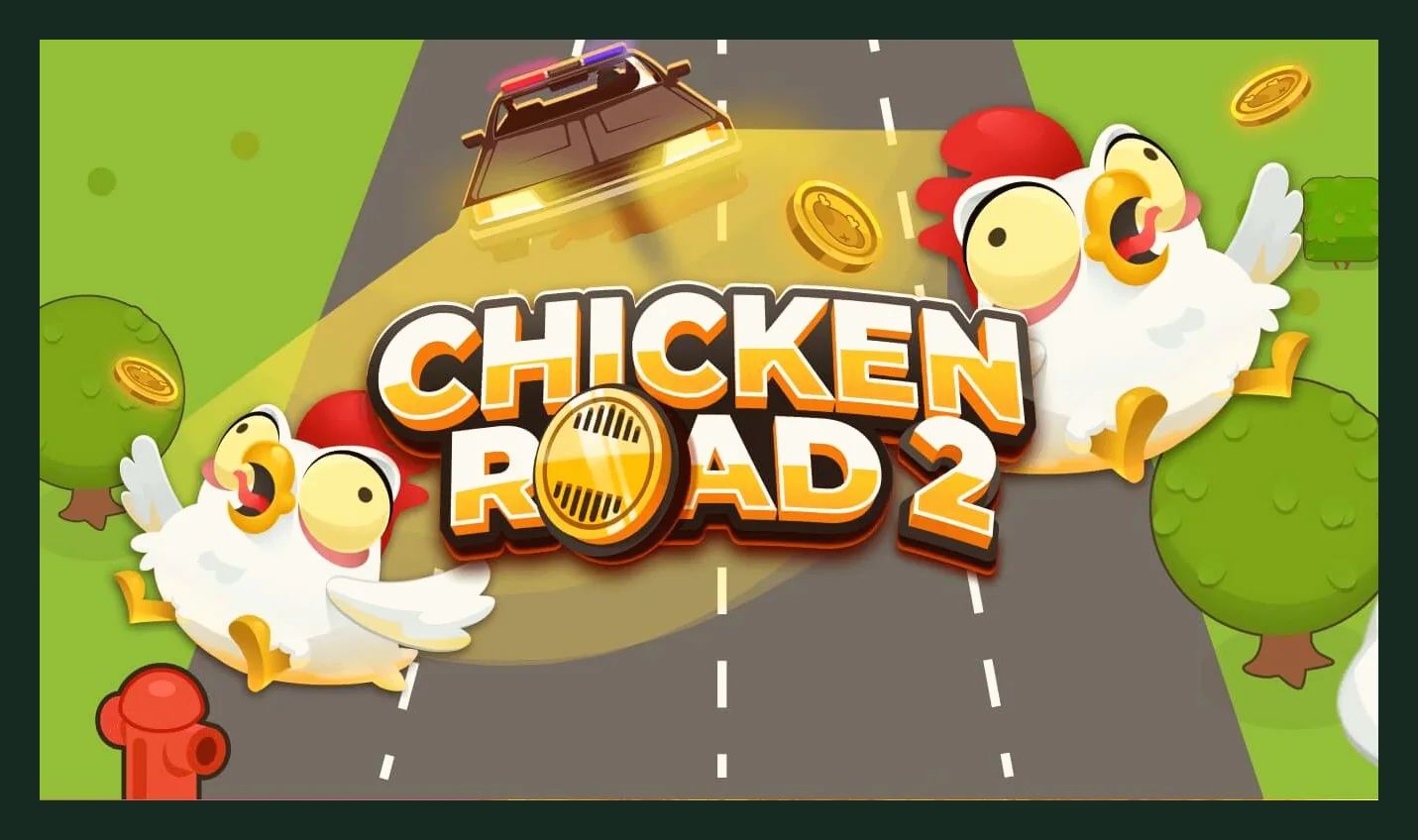
A friend messaged me last week: «Found a Chicken Road 2 site, looks slick, is it real?» I asked for the domain. Two minutes later I had the answer — and it wasn't the one he wanted. The footer showed no UKGC number, the FAQ mentioned cryptocurrencies, and the payout table listed dollar amounts. Clone.
Here's the thing people get wrong: there is no single official site for this game. What you want is an official operator — a casino with a valid UK Gambling Commission remote licence — running the genuine game build from the actual provider. Everything else is decoration.
Provider, build, licence — three layers of official
Official in this context has three parts. The game itself comes from a named provider — a studio that built the maths, interface, and random number generator. That build gets certified by an independent testing house (eCOGRA, iTech Labs, GLI) to confirm the RTP and fairness claims hold up under load.
Then comes the operator layer. A UK-facing casino needs a remote gambling licence from the UKGC, and it lists every game it's allowed to offer in the public register. When you play Chicken Road 2 on a licensed site, you're interacting with the certified build through a regulated operator. That's the chain.
Official does not mean one exclusive domain. The same game appears on dozens of UKGC casinos, each with its own branding, welcome offer, and payment methods. Your job is to verify the operator, not hunt for a mythical original site.
The 60-second licence verification routine
Before you hand over a debit card number or any personal detail, do this:
- Scroll to the footer of the site. Look for a UKGC licence number — it's usually five or six digits, sometimes with a hyphen.
- Open the UK Gambling Commission public register in a separate tab. You'll find it by searching «UKGC register» or going straight to the commission's site.
- Type the operator name or paste the licence number into the search box. Hit enter.
- Check the licence status says «Active» and the licence type includes remote gambling software. The register will also show any compliance warnings or sanctions.
- Match the trading name on the register against the branding on the site. If the footer says one name and the register shows another unrelated entity, walk away.
That's it. No licence number in the footer? No match in the register? Close the tab. A clone site won't protect your deposit, won't honour a win, and operates outside UK law.
Login, age verification, and why your account isn't instant
You can't just sign up and start playing for real money. Every UKGC operator runs age and identity checks before it accepts a deposit — usually a credit-reference bureau lookup against your name, address, and date of birth. If the automated check flags something, you'll be asked for a document: passport, driving licence, or a recent utility bill.
Once you're age-verified, you set deposit limits during registration. These are mandatory. If you try to deposit more than £150 in net deposits over a rolling month, the site triggers an affordability check — first stage pulls data from credit agencies, second stage may ask for payslips or bank statements. This isn't the operator being nosy; it's UKGC policy as of late 2025.
Your account will also be linked to GAMSTOP, the national self-exclusion register. If you've ever registered there, you won't be able to open an account on any licensed site for the duration you chose — six months to five years. No override, no exceptions.
The app question — and why most UK players use the browser
Chicken Road 2 doesn't have a standalone app you download from the App Store or Google Play. What you get is a web-based game that runs inside the operator's casino site or a progressive web app that you pin to your home screen. Both work fine on mobile; the interface scales, and the stake buttons are thumb-friendly.
If you see an APK file advertised on a third-party site, don't install it. APKs bypass the Play Store's vetting, and you have no way to verify what's bundled inside. UKGC-licensed operators distribute their apps through official stores only — though most crash games, including this one, simply run in Chrome or Safari with no install needed.
Check the operator's site for a «Download app» or «Add to home screen» prompt if you want a shortcut. That's the safe route.
When something goes wrong — complaint path and regulators
Official status gives you recourse. If a licensed operator won't pay out a win, won't process a withdrawal, or you believe the game behaved unfairly, you start by contacting the casino's support team. Every UKGC site must have a written complaints procedure, usually linked in the footer under «Responsible Gambling» or «Contact».
If the operator's response doesn't resolve it, you escalate to an independent Alternative Dispute Resolution (ADR) service. UKGC operators are required to belong to one — eCOGRA, IBAS, or another approved body. The ADR will review the case, ask for evidence from both sides, and issue a binding decision. The operator pays for this service, not you.
Beyond that sits the UKGC itself. The commission doesn't handle individual disputes, but it does investigate patterns of non-compliance. If an operator repeatedly ignores ADR rulings or breaches licence conditions, the UKGC can fine, suspend, or revoke the licence. You can report serious concerns through the commission's website.
Red flags that scream clone
Some tells are obvious once you know what to look for:
- No UKGC licence number in the footer, or a number that doesn't match the register.
- Payment methods include credit cards (banned for gambling in the UK since April 2020) or cryptocurrencies not offered by mainstream operators.
- Stake amounts shown in dollars, euros, or any currency other than GBP. Official UK builds display £5.00, not $5.00.
- Withdrawal timeframes promise instant payouts with no KYC. Real operators need 24–48 hours for document checks on your first cashout.
- The domain name tries too hard — «official», «original», or «real» in the URL is usually a sign it's neither.
- Bonus terms with no wager requirement or terms written in broken English. UKGC rules require clear, readable terms in British English.
Clones copy the visual design and gameplay loop, but they can't fake the regulatory infrastructure. If the site feels off, trust that instinct and verify before you deposit.
What official status doesn't guarantee
A valid UKGC licence tells you the operator follows UK law, the game build is certified, and you have a complaints process. It does not tell you the game is easy to win, that you'll break even over time, or that the operator's welcome offer is the best deal on the market.
Crash games are high-volatility by design. The RTP might sit at 97%, but that's an average over millions of rounds. Your session can — and often will — consist of five crashes below 1.5× before you catch a 10× multiplier. Variance is the feature, not a bug.
Bonuses always carry a wager requirement. A £20 bonus with 30× wagering means you need to play through £600 before you can withdraw. The stake caps (£5 per spin, £2 if you're 18–24) apply to bonus play as well, so clearing the requirement takes longer than it sounds.
Official also doesn't shield you from affordability checks. If you deposit £200 in a month, the operator will start asking questions. That's UKGC policy, and it applies to every licensed site. Some players find this intrusive; the regulator sees it as harm prevention.
Finally, official builds don't include «strategies» or exploits. The RNG output is certified and independently audited. Pattern-spotting doesn't work, and any site claiming otherwise is either a scam or misunderstands how crash games function.
FAQ
Can I play Chicken Road 2 in demo mode without signing up?
Most UKGC operators let you try the game in free-play mode, but many now require you to create an account and pass age verification before unlocking demo access. This is a relatively recent shift — operators want to confirm you're over 18 even for play-money sessions. Check the site's game lobby; if demo mode is available without login, it'll be marked. If not, registration takes a few minutes and doesn't require a deposit.
Why does my first withdrawal take longer than the site advertised?
The first cashout always includes KYC (know your customer) checks. You'll upload a photo ID, proof of address, and sometimes proof of payment method. The operator's compliance team reviews these documents, which takes 24–48 hours on average. Once you're verified, future withdrawals to the same payment method are faster — e-wallets within a few hours, Faster Payments to your bank in one to two working days. Advertised withdrawal times assume you've already cleared KYC.
What happens if I reach the £150 affordability threshold?
The operator will run a soft credit check using data from credit-reference agencies. This looks at your financial footprint — address history, existing credit, any insolvency markers — to assess whether £150+ gambling deposits are affordable. If the check raises no concerns, you continue as normal. If it flags something, the operator may ask for payslips, bank statements, or tax documents. You can choose not to provide them, but the alternative is a deposit block. This is a UKGC requirement that came into force in 2024 and was tightened in 2025; operators don't have discretion to skip it.